White or Blue-Green Spots on Copper Pipes: A Warning Sign of Pinhole Leaks
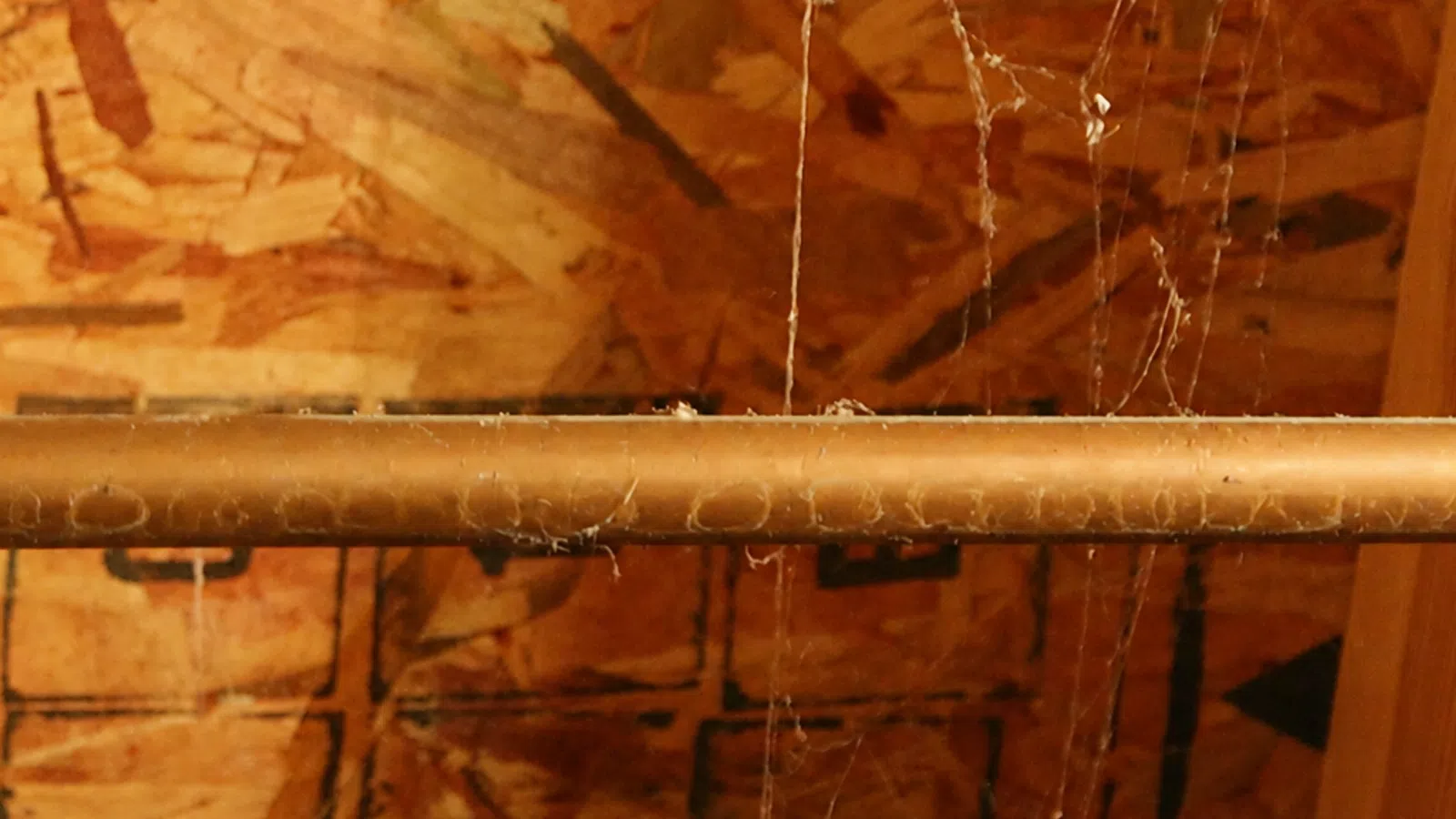
Have you ever noticed small white, green, or blue-green circles forming on your copper plumbing pipes?
They may look harmless, but those little spots can be an important warning sign.
Today, we are talking about what these marks on copper pipes may mean, why they should not be ignored, and how catching potential plumbing problems early can help protect your home from water damage.
What Are the White or Blue-Green Spots on Copper Pipes?
White, green, or blue-green deposits on copper plumbing can be associated with corrosion, oxidation, or mineral deposits that form around areas where moisture has been present.
In some cases, a very small amount of water can seep through a weakened section of copper pipe and evaporate before you ever notice an active drip.
What remains behind is often a visible deposit or circular mark on the pipe.
Even if the pipe is dry when you find it, the mark may indicate that the copper has begun to deteriorate.
Can These Spots Mean a Pinhole Leak Is Developing?
They can.
A pinhole leak is a very small opening that develops in copper plumbing. These leaks are often associated with deterioration or corrosion of the pipe wall.
Because pinhole leaks can begin as extremely small openings, they may develop gradually and go unnoticed for some time.
That is especially concerning when plumbing lines are located:
- Inside walls
- Above ceilings
- In crawl spaces
- In basements
- In attics
- Behind cabinets
- In other areas that are difficult to inspect regularly
By the time water becomes visible inside the home, the leak may have already caused damage.
Signs of a Pinhole Leak in Copper Pipes
Visible corrosion or circular deposits on exposed copper pipes are not the only warning signs homeowners should watch for.
Potential signs of a hidden or developing plumbing leak can include:
- Water stains on ceilings or walls
- Damp drywall or insulation
- Musty or unusual odors
- Mold or mildew growth
- Unexplained increases in your water bill
- Discoloration on copper pipes
- Green or blue-green corrosion around fittings or pipe sections
- Dripping or moisture around plumbing lines
- Damage to flooring, drywall, cabinetry, or framing
If you notice one or more of these symptoms, it is worth having the plumbing system evaluated.
What Causes Pinhole Leaks in Copper Plumbing?
There is not always one single cause of copper pipe deterioration.
The condition of copper plumbing can be affected by several factors, including:
- Water chemistry
- Water pressure
- Age and condition of the piping
- Corrosion inside the pipe
- Mineral content
- Water velocity
- Installation conditions
- Characteristics of the home's plumbing system
This is why simply seeing corrosion does not automatically tell you exactly what is happening inside the pipe.
A professional evaluation can help determine whether you are looking at an isolated plumbing problem or evidence of a broader issue.
Do Not Just Clean the Corrosion Off the Pipe
If you notice white, green, or blue-green spots on copper pipes, cleaning the surface may make the pipe look better, but it does not address what caused the deposits to form.
The visible mark may be only the symptom.
If several spots are appearing throughout your plumbing system, it can be particularly important to investigate further.
Multiple areas of corrosion may indicate that the issue is not limited to one fitting or one small section of pipe.
What Should You Do If You Find Corrosion on Copper Pipes?
If you find suspicious deposits or corrosion on your plumbing, a licensed plumber can help evaluate the condition of the system.
Depending on what is found, an inspection may include:
- Checking the affected pipe for active leaks
- Looking for additional signs of corrosion
- Evaluating water pressure
- Inspecting nearby plumbing
- Identifying evidence of previous leakage
- Discussing whether additional water testing may be appropriate
- Determining whether an isolated repair or a more comprehensive plumbing solution should be considered
The appropriate solution depends on the extent and cause of the problem.
One small damaged area may require a very different approach than widespread deterioration throughout a home's plumbing system.
When Is Copper Pipe Corrosion a Bigger Concern?
One visible spot does not necessarily mean your entire plumbing system needs to be replaced.
However, homeowners should pay closer attention when they begin seeing:
- Multiple corrosion spots on different pipes
- Repeated pinhole leaks
- Previous plumbing repairs in several locations
- New leaks developing shortly after older leaks are repaired
- Widespread blue-green deposits
- Signs of hidden water damage
Repeated leaks can sometimes indicate that repairing one section at a time is addressing individual failures rather than the underlying condition of the plumbing system.
In those situations, it may be worth discussing whether additional testing, water treatment, pressure correction, pipe replacement, or another long-term solution makes sense for the home.
Catching a Small Plumbing Problem Early Can Prevent Bigger Damage
A pinhole leak may be tiny, but the damage it causes does not have to be.
Even a slow leak inside a wall or ceiling can eventually affect drywall, insulation, flooring, cabinetry, framing, and other parts of your home.
That is why recognizing early warning signs matters.
If you see those little white or blue-green circles on your copper pipes, do not panic, but do not automatically ignore them either.
They may be telling you that it is time to take a closer look.
At Dayco Systems, our goal is to help homeowners understand what is happening with their plumbing, evaluate the available options, and choose the solution that makes sense for their home.
Because protecting your home starts with catching the small warning signs before they become bigger problems.